Happy Hamstrings Workshop
Discovering freedom through the back body.
Saturday 26 September 2026 | 9:30–11:30 am | Thomas Tallis School
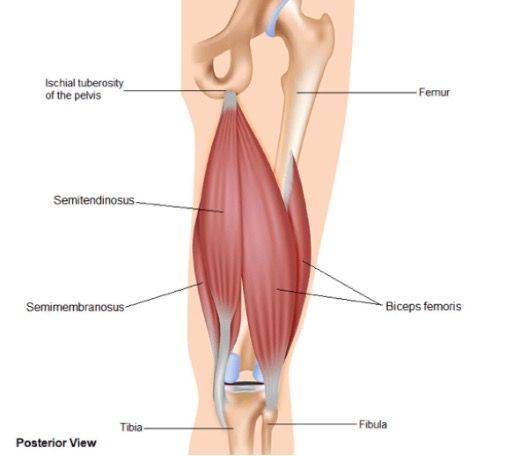
"Why do my hamstrings feel so tight?" Is a question I hear often. We stretch, we pull, we try harder, yet the tightness remains. In my experience, hamstrings are not the problem; they are messengers.
They reflect how we stand, walk, sit, breathe and move.
When we learn to listen rather than force, our practice begins to change. This workshop invites you to explore the remarkable relationship between your feet, legs, pelvis and spine, and how understanding can bring greater ease to your yoga practice and your everyday life.
Who is this workshop for?
This workshop is suitable for:
- Complete beginners
- Regular yoga practitioners
- People who feel stiff through the back of the legs
- Anyone recovering confidence after injury (with medical clearance where appropriate)
- People who wish to understand movement rather than simply repeat it
No previous experience of Iyengar Yoga is necessary. Curiosity is far more important than flexibility.
What we'll explore together
- Why hamstrings often feel tight
- The relationship between standing poses and forward extensions
- How to create length without pulling
- Protecting the knees and lower back
- The role of the feet and legs in supporting the spine
- Adapting postures for different bodies and stages of practice
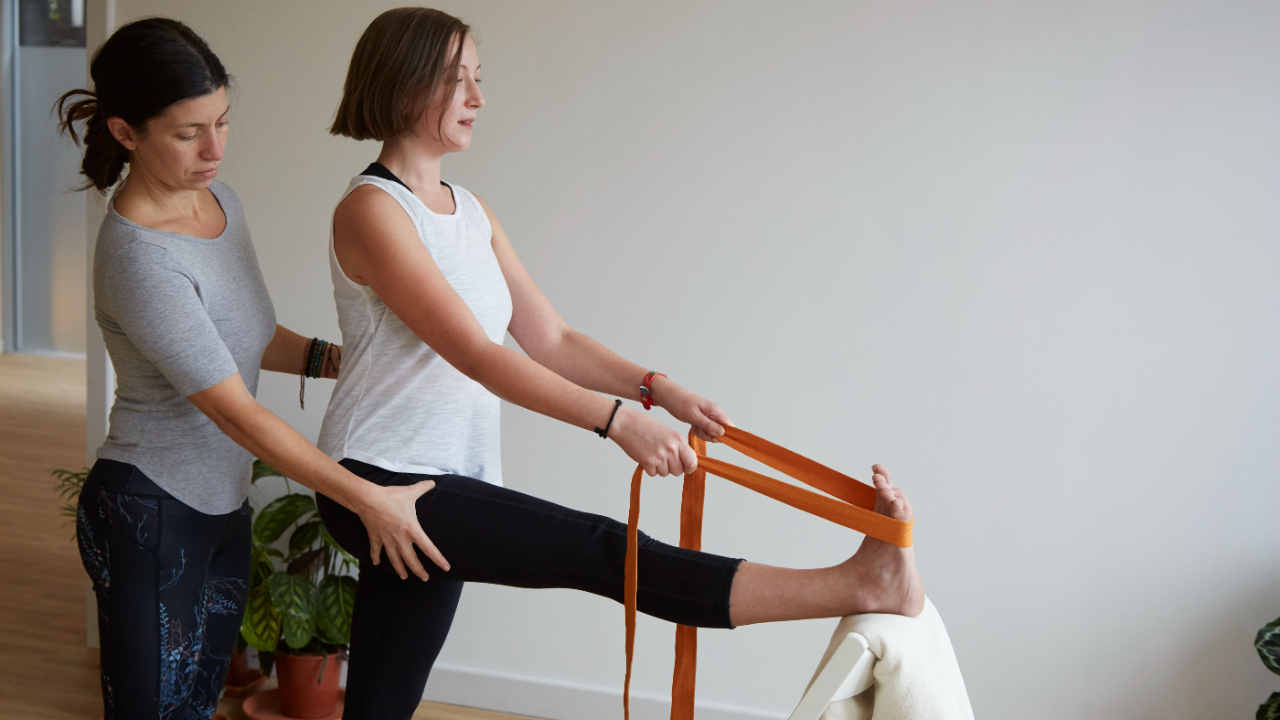
- Using yoga props to improve understanding
There will be time for questions, individual observations and thoughtful exploration.
Looking beyond flexibility
In Iyengar Yoga, we don't isolate one muscle and try to make it longer. We ask: How can the whole body work together more intelligently? The hamstrings support so much more than forward bends.
- They help us walk, climb, lift and rise with ease
- They support the knees and protect the lower back
- They help organise the pelvis and spine
- They influence balance, posture and energy
In Iyengar Yoga we don't isolate one muscle and try to make it longer. We ask: How can the whole body work together more intelligently?
The Iyengar Yoga approach
"Asana has two facets, pose and repose. Pose is the artistic assumption of a position. Reposing in the pose means finding the perfection of a pose and maintaining it, reflecting in it with penetration of the intelligence and with dedication." — B.K.S. Iyengar, Light on the Yoga Sutras of Patanjali
This workshop is an opportunity to cultivate that quality of attentive practice — where effort is balanced with observation, and understanding develops from within the pose itself.
Book My Place